
Matthew Felgus, MD, DFASAM

Distinguished Fellow, American Society of Addiction Medicine
Board Certified in Addiction Medicine & Psychiatry
Past President, Wisconsin Society of Addiction Medicine

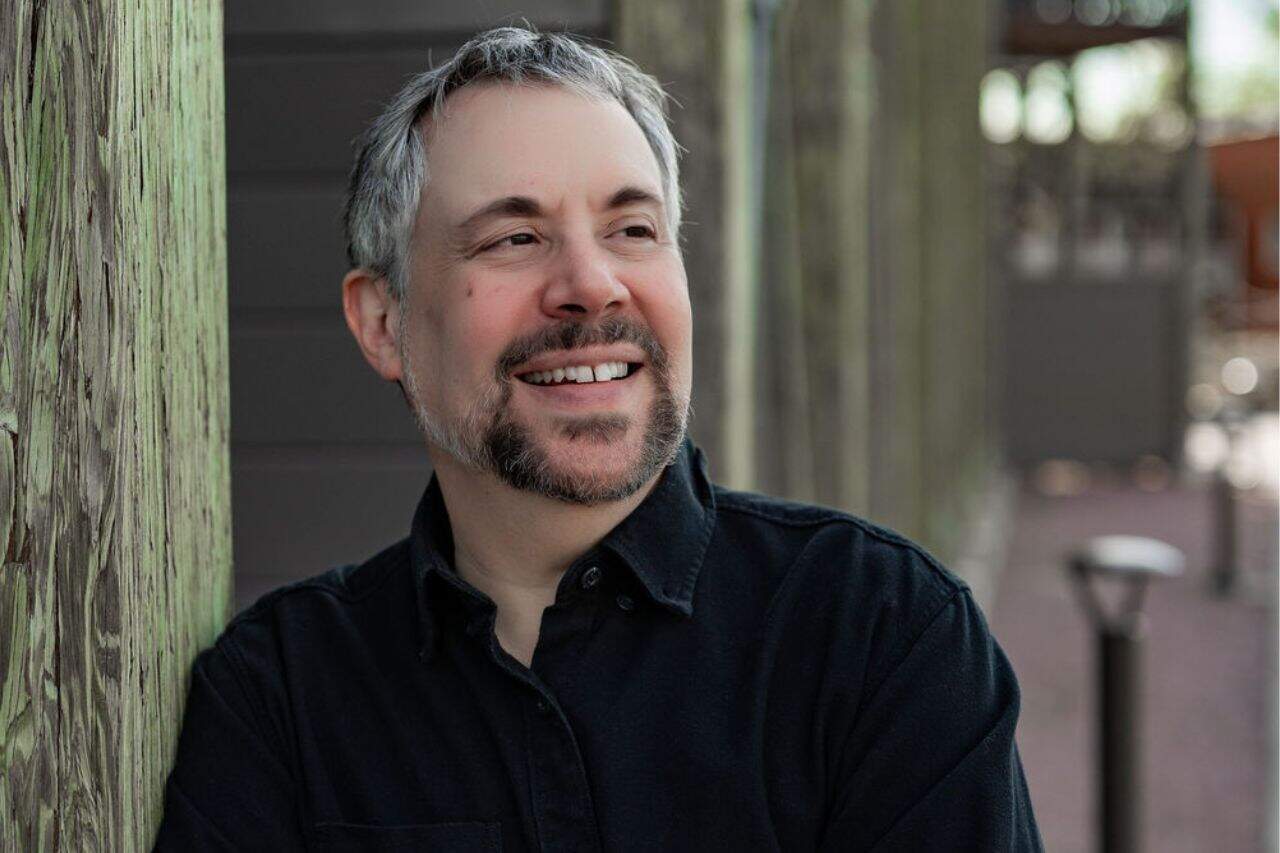
Before medical school, Matthew Felgus worked as a drug counselor, a perspective that still grounds his care. Now a dual-board-certified addiction medicine physician and psychiatrist in Madison, Wisconsin, he has helped adolescents and adults move from short-term symptom control to sustainable healing for nearly three decades.
Dr. Felgus treats substance use and mental health together, with clear plans, careful prescribing, and steady follow-up. As a Distinguished Fellow and past president of the Wisconsin Society of Addiction Medicine and longtime clinical faculty member at the University of Wisconsin Department of Psychiatry, he pairs clinical rigor with compassion, meeting people where they are, and walking with them toward what’s next.
Care philosophy
Least-pill, whole-person care Substance use and mental health are treated together. We look at the drivers that often sustain use (anxiety, depression, trauma, and insomnia) and match the right level of medication to the moment.
What to expect a clear assessment, a practical plan, steady follow-up, skills to support change, and honest conversations about goals at every step.
Suboxone® and Tapering
Dr. Felgus has used Suboxone® (buprenorphine) in the treatment of opioid use disorder since 2003. His approach: stabilize on the lowest effective dose to support safety and life stability. Then over years, consider careful, individualized step-downs while strengthening skills and support.
He has successfully tapered many patients off Suboxone® when timing, readiness, and stability align, and he teaches clinicians how to move beyond “just meds” toward genuine recovery.
ROLES

DFASAM — Distinguished Fellow, American Society of Addiction Medicine
Board Certified in Addiction Medicine & Psychiatry
Past President, Wisconsin Society of Addiction Medicine
Clinical Adjunct Faculty, University of Wisconsin Department of Psychiatry (since 2000)
Private Practice — Madison, WI (since 1999)
100+ lectures, keynotes, and professional trainings delivered
Long-standing faculty role teaching addiction topics to medical learners
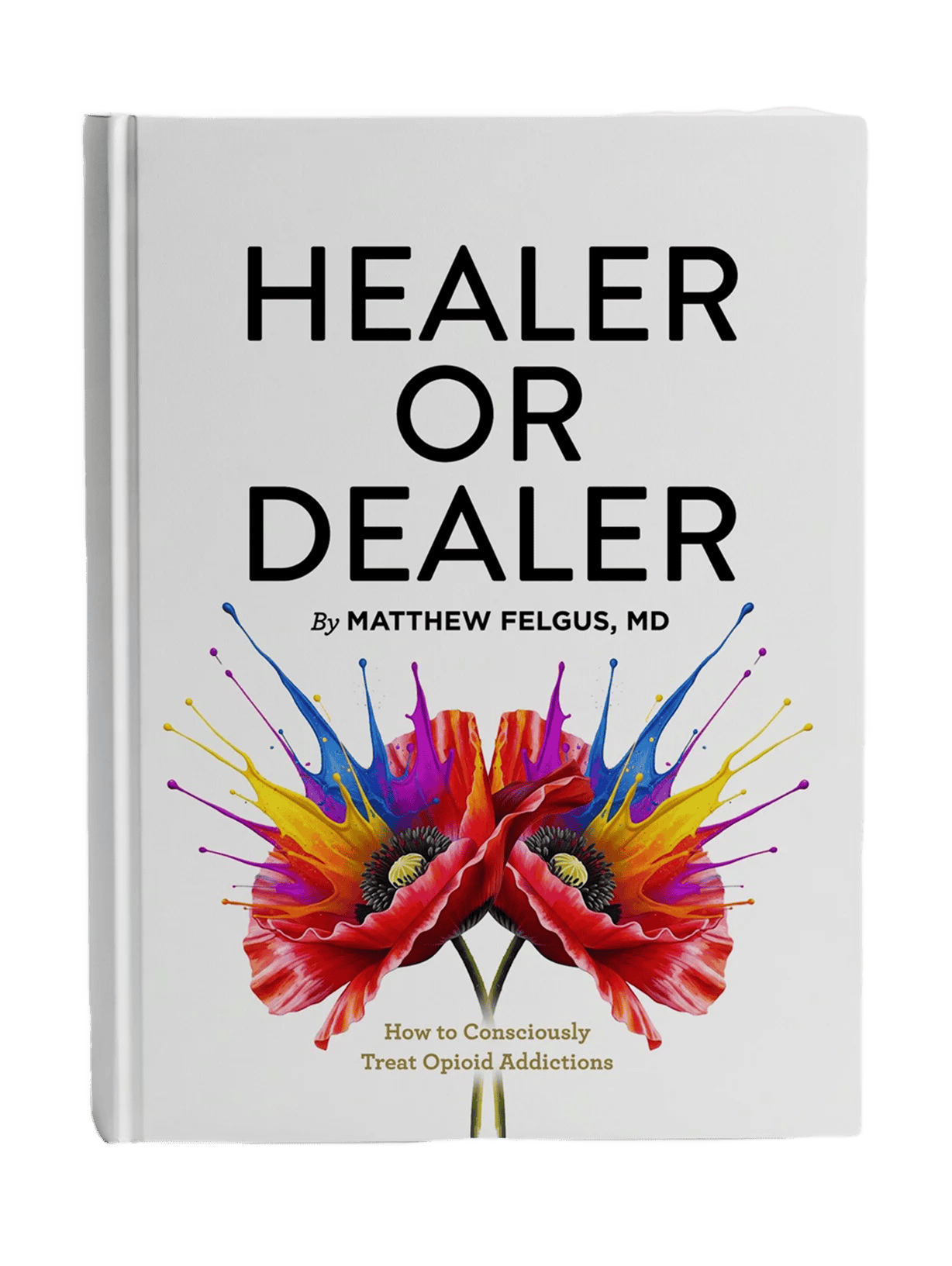
Author of Healer or Dealer: How to Consciously Treat Opioid Addictions
Peer-reviewed publications on assessing alcohol-involved adolescents
Leadership in state and national addiction medicine organizations
Those already on Suboxone® wanting to shift from maintenance to a healing approach
Students: high school and college
Professionals: physicians, nurses, lawyers, counselors, teachers, business leaders
Athletes
Parents and partners
Individuals overusing prescription medications
People questioning their alcohol or cannabis use
Those engaged in 12-Step programs and those seeking non-12-Step approaches
Peer-Reviewed Publication
Assessing alcohol-involved adolescents: Toward a developmentally-relevant diagnostic taxonomy - Journal of Substance Use
A research-grounded look at adolescent assessment that informs Matt’s practical “continuum” approach.
Webinar
Warning Signs of Opioid Misuse
Podcasts
Medication-Assisted Treatment for Opioid Addiction (with Dr. Brian Lochen)
Four-Part Series with Matthew Felgus, MD (Full Potential Now with Ted Izydor)
A concise tour of Matt’s core frameworks: the Continuum, readiness, the “Big Four,” and Suboxone® success.
Part 1: The Continuum of Use — a simple model for assessment and next steps.
Part 2: Am I Addicted to Opioids? — questions, signs, and safer pathways to care.
Part 3: The “Big Four” — anxiety, depression, trauma, insomnia: addressing the drivers of use.
Part 4: Suboxone® Success Story — stabilization, skills, and tapering when it’s time.